MEP Contractor in Riyadh: Choosing the Right Electromechanical Contractor
Electromechanical works are what actually make a building usable. The structure gives you walls and slabs; lighting, air conditioning, water, drainage, fire systems and controls are what turn it into a working facility. That is why choosing an MEP contractor in Riyadh deserves real scrutiny: defects in these works rarely show at handover. They surface months into operation as repeated failures, high consumption, or observations that will not pass inspection. This guide explains what MEP scope covers, how to evaluate a contractor before award, and how execution runs through to final handover.
What does MEP actually mean?
MEP stands for three integrated disciplines: Mechanical, covering air conditioning and ventilation; Electrical, covering supply, lighting and low-current systems; and Plumbing, covering water supply and drainage. The term has since widened to include firefighting systems and control and automation. The key point is that these systems are not built in isolation. Their routes cross in ceilings, shafts and plant rooms, which is why a single contractor able to coordinate them beats splitting the work across separate parties that never speak to each other.
Scope of an MEP contractor
Scope varies with project type, whether a government building, an industrial facility, a commercial complex or a residential development. The main headings, however, stay structurally similar:
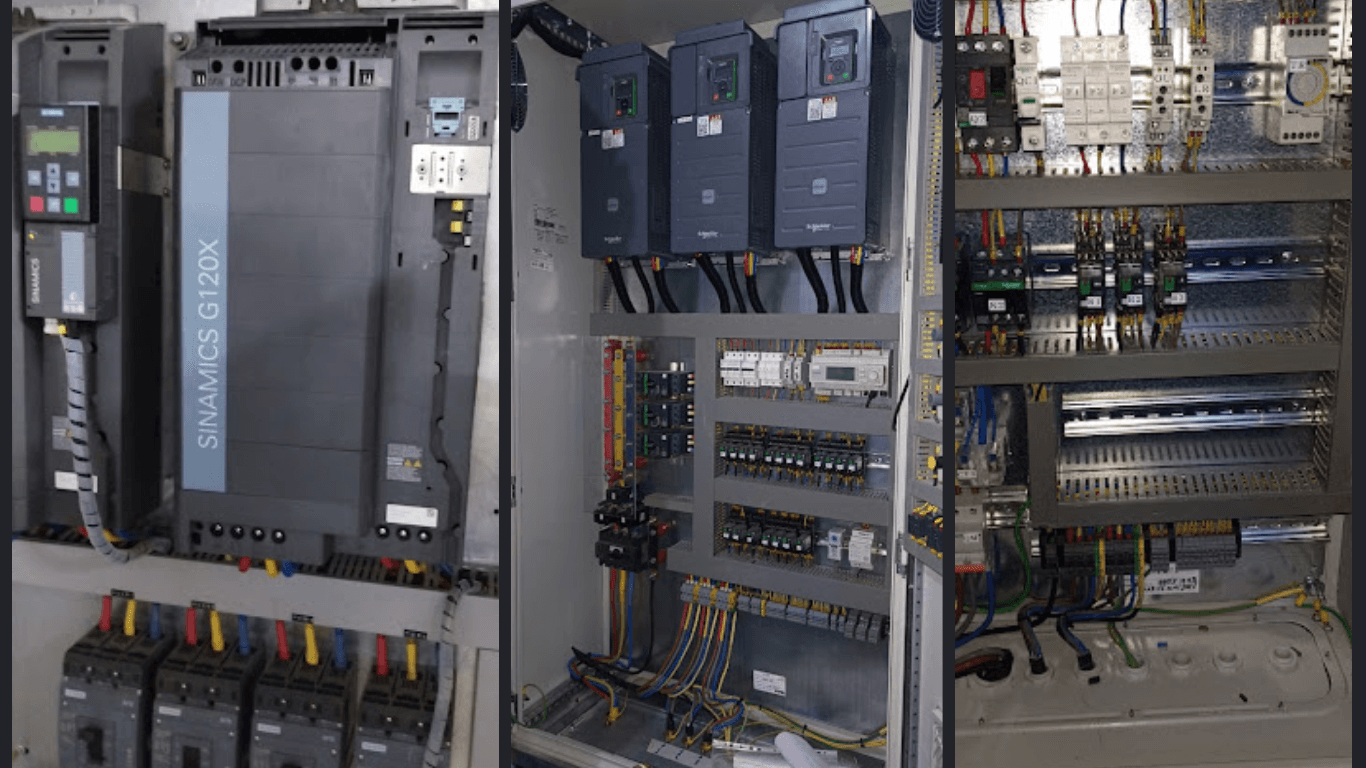
Electrical works: main and sub distribution boards, cable routes, internal and external lighting, earthing and lightning protection, and standby supply sources.
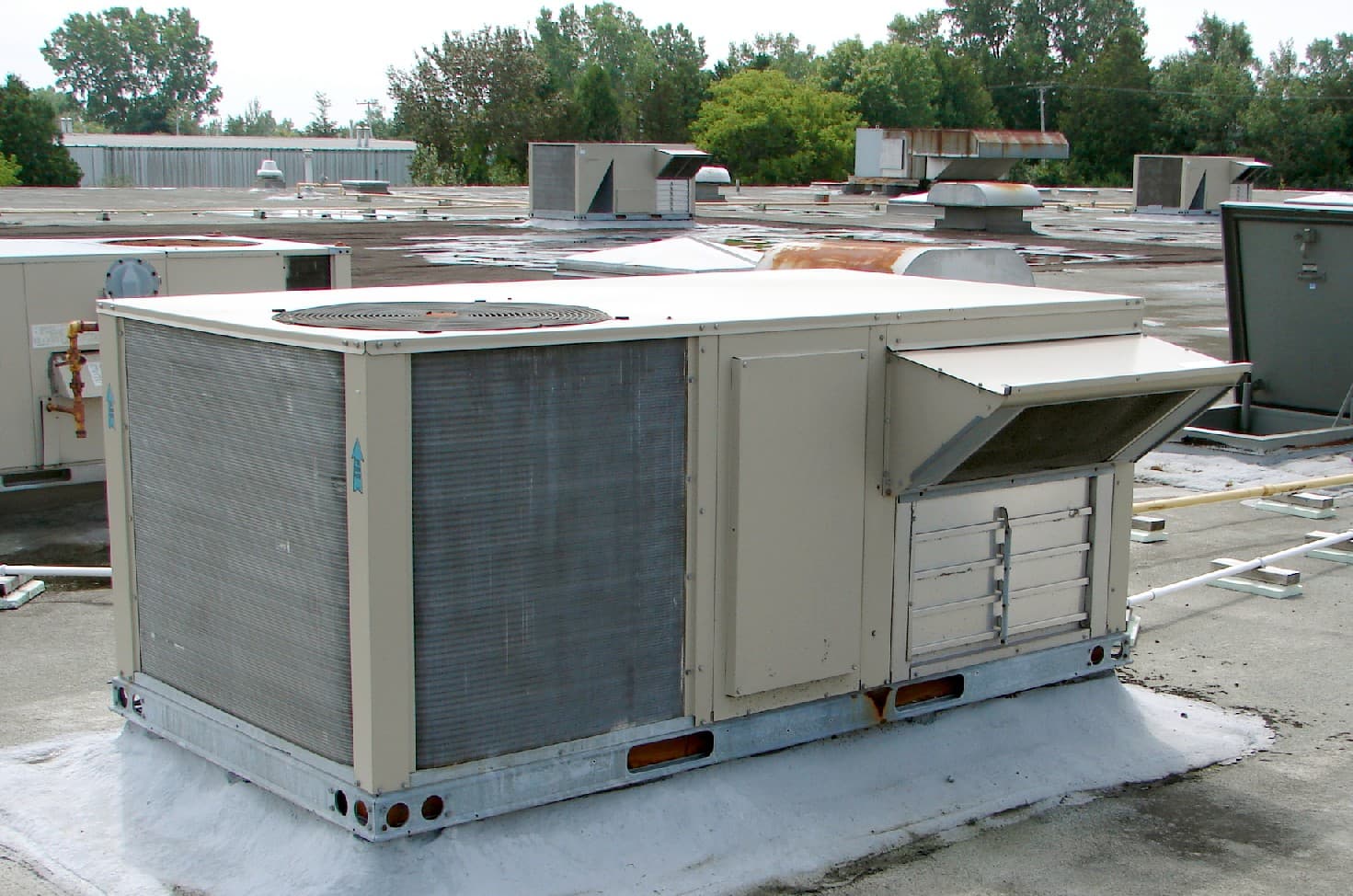
Mechanical works: air conditioning and ventilation systems, air handling units, ductwork, insulation, and air extract systems.
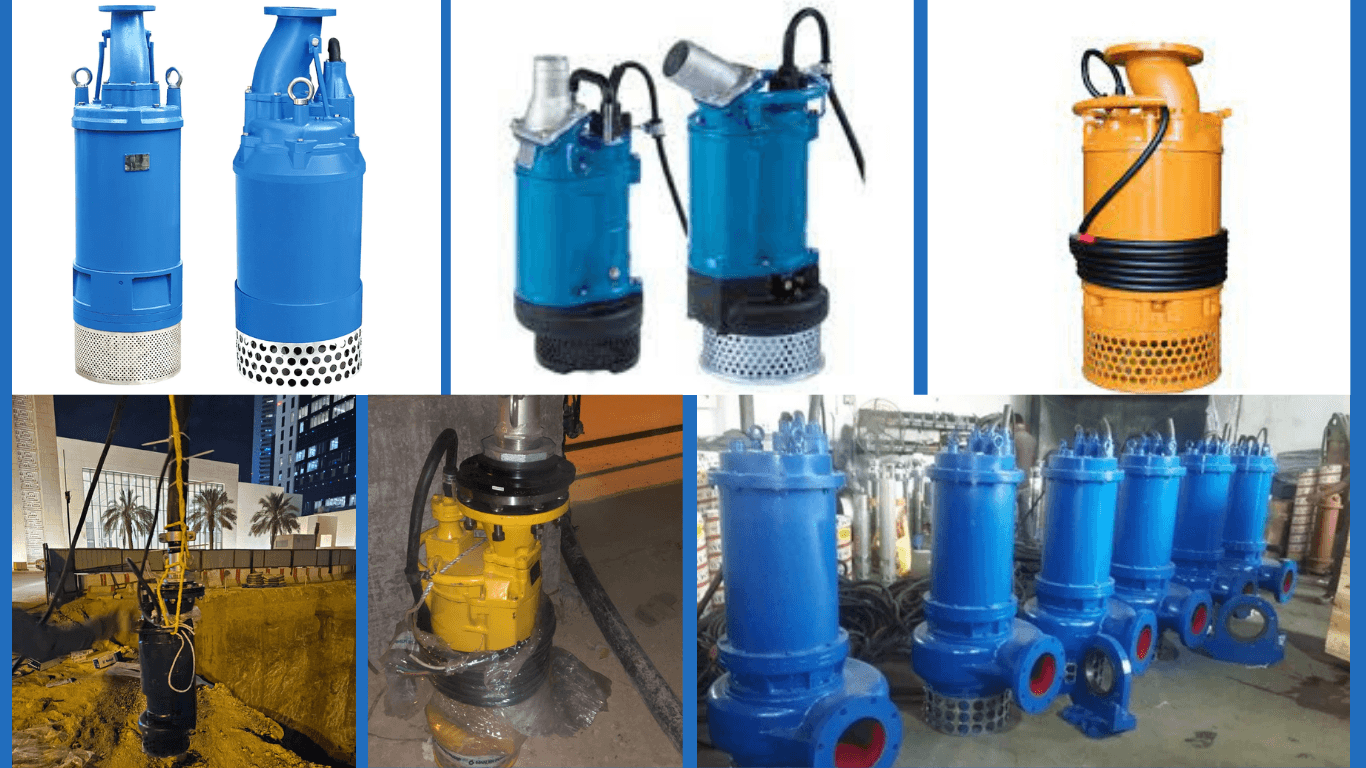
Plumbing works: cold and hot water supply networks, sewage and stormwater drainage, tanks and booster pumps, and testing and disinfection works.
Firefighting systems: sprinkler networks and hose cabinets, alarm and early detection systems, and fire pumps with their accessories.
Control and automation: control panels, variable speed drives, measurement sensors, and building management systems that bring these systems into one interface.
Low-current systems: data networks, CCTV, public address systems, and access control.
How to choose an MEP contractor in Riyadh
The right contractor is not necessarily the cheapest, but the one most able to deliver a facility that works without observations. What to verify before award:
Classification and legal record: a commercial registration that genuinely covers electromechanical contracting, and a classification suited to the project size, particularly on government work.
Engineering staff: engineers registered with the Saudi Council of Engineers, and specialist technicians per discipline rather than one general crew moving between trades.
Previous work similar in kind, not just in name: an industrial facility is not an office tower, and government buildings carry their own handover requirements.
A written method statement: how shop drawings are produced, how route clashes are resolved, and how as-built work is documented.
Commitment to the specifications in the contract, without substituting materials on individual judgement.
A site safety plan, and valid insurance cover for crew and equipment.
Clear warranty and after-handover terms: exactly what the warranty covers, and the response time on a call-out.
Execution stages through to handover
Disciplined electromechanical work follows a clear sequence, with each stage closed before the next begins:
Reviewing design drawings and producing shop drawings and cross-discipline coordination drawings.
Material approval from the consultant before supply, not after delivery to site.
First-fix installations within concrete and walls, ahead of finishing works.
Installation of main equipment and connection along approved routes.
Testing: network pressure tests, electrical insulation and earthing tests, and commissioning of fire and control systems.
Balancing, trial operation, and performance adjustment against the design.
Preliminary handover and clearing of observations, then final handover with as-built drawings, operation manuals and owner team training.
Coordinating with the consultant and the Saudi Building Code
The consultant is not a party to be worked around. They approve materials, sign off tests, and issue the observations standing between you and a completion certificate. A contractor who deals with the consultant methodically — written material approval requests, inspection requests raised on time, and every test documented — saves the owner weeks of stalling. On the regulatory side, electromechanical works in the Kingdom fall under the Saudi Building Code in its electrical, mechanical, plumbing and fire protection parts, alongside the requirements of the competent authorities such as Civil Defence, the electricity provider and the water authority. Ask the contractor directly: who obtains the approvals and handles connection with these bodies, and is that inside their contract scope or outside it? Leaving this item vague is what delays projects most in practice.
Questions to ask before signing
Which items are included in the offer, and what is explicitly excluded?
Who is the resident engineer on site, and what is their discipline?
How will clashes between HVAC, electrical and plumbing routes be managed before installation?
What is the material approval process, and who carries the cost of approval delays?
Does the scope include testing, balancing and trial operation?
What will be handed over at project end in drawings, documents and training?
Practical summary
Electromechanical works determine how well a facility operates for years, and they are also the hardest item to correct once finishes are in place. Choose a contractor who writes their plan, explains how they coordinate across disciplines, and accepts documentation and testing in front of the consultant. The difference between a considered offer and a rushed one does not show in the programme; it shows in the first summer the facility runs at full load.
Read also
Need an MEP contractor for your project, or technical advice on electromechanical works? Talk to the MEIC team directly on WhatsApp 0554097005 or call 0554097005 — we review your project scope and set out the work items before any commitment.