Submersible Pump Prices: What Raises the Cost and What Lowers It
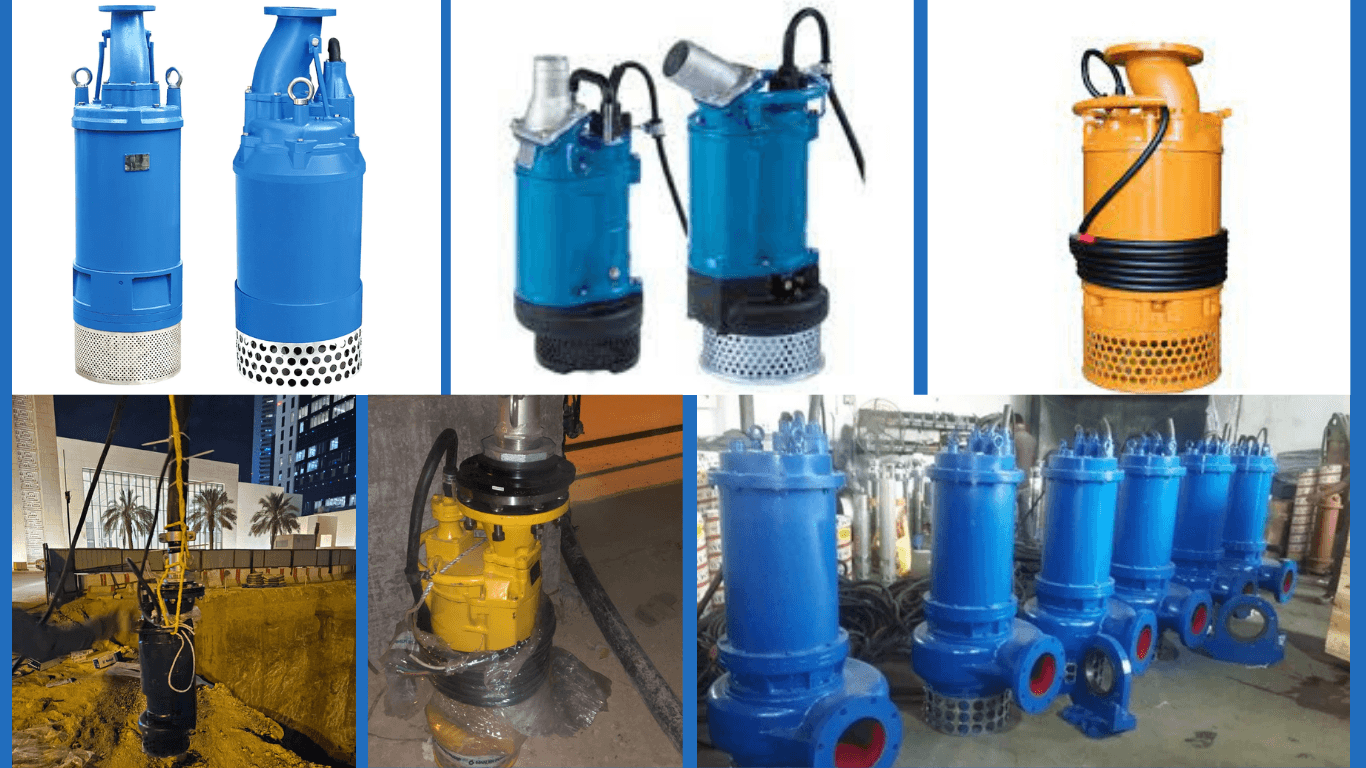
"How much does a submersible pump cost?" is one of the most frequent questions we receive, and the honest answer is that the price is not a single number but the result of a technical equation. Two pumps that look identical may differ in price because each one is designed for a different well and different operating conditions. This guide explains what drives the price up and what lowers it without compromising quality, so that you read a quotation with a technical eye and not by numerical comparison alone.
The Price Starts at the Well, Not at the Pump
Before any talk of brand or model, there are four inputs that determine the required specification, and changing them changes the price directly:
The dynamic water level during operation, not the static level.
The flow actually required by the application, not the largest number available.
The length and diameter of the discharge line and the friction losses that result from it.
Water quality: sand content, salts, and temperature.
Any error in these inputs passes straight into the specification, from the specification into the price, and then into the electricity bill and the life of the equipment.
What Raises the Price
A higher total head requirement: more stages and a larger motor.
Resistant materials: stainless steel stages instead of engineered plastic, and a corrosion-resistant casing in saline water.
A motor with a stainless casing and insulation suited to high temperatures.
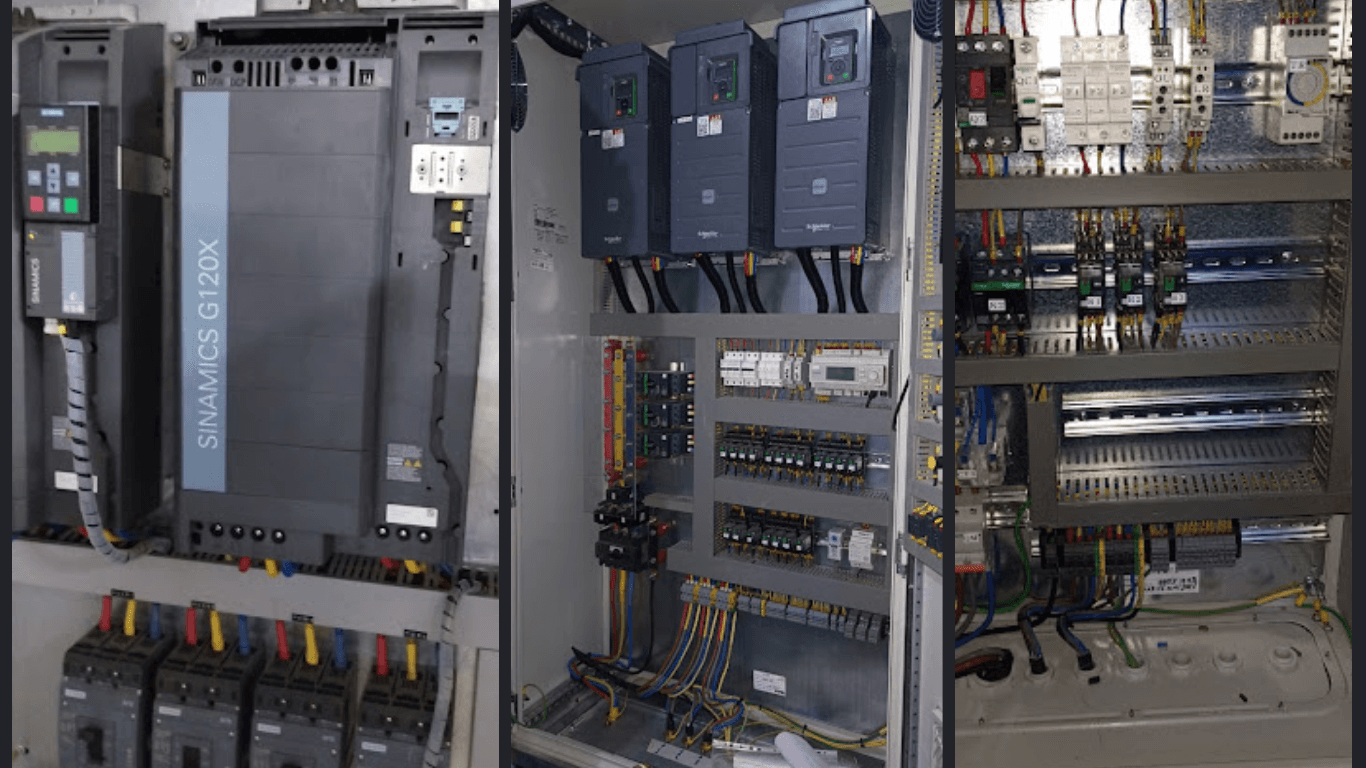
A control panel with full protection: phase failure, reverse rotation, dry running, overload, and a soft starter.
A submersible cable with a larger cross-section as the installation depth or the distance to the panel increases.
Accessories: non-return valve, vibration damper, level sensor, and a running-hours meter.
Site conditions: a large installation depth, the need for a crane, or difficult access for equipment.
What Lowers the Price Without Compromising Quality
Selecting a duty point close to the pump's best efficiency instead of oversizing as a precaution.
Correcting the discharge line diameter to reduce losses, instead of treating the losses by increasing motor power.
Standardising brand and model across more than one well to simplify spare parts and reduce emergency stock.
Buying the system assembled from a single source instead of collecting parts from scattered suppliers that are not electrically compatible.
Scheduling delivery to match the installation date to reduce storage and re-transport.
What a Quotation Must Include
A serious quotation is read technically before it is read financially. Make sure it contains:
The performance curve with the required duty point marked on it.
The motor specification and insulation type, and the cable cross-section and length.
The control panel components and the protections included, named one by one.
The works included: lowering, connection, trial operation, and handover of the operating readings.
The warranty period and the number of maintenance visits.
What is out of scope, written explicitly rather than left unsaid.
Common Mistakes That Cost More Later
Oversizing the pump as a precaution: higher electricity consumption, faster wear, and operation away from efficiency.
Neglecting dry-run protection: the fastest cause of motor burnout.
A cable with a smaller cross-section than required: voltage drop and excess heat.
Ignoring water analysis before choosing the pump materials.
Not documenting the first operating readings, so you lose the baseline you would compare against later.
How We Handle It at MEIC
We start from the well data, not from the catalogue: we define the duty point, then select the pump, the motor, the cable and the panel on that basis. And because MEIC manufactures and assembles pumping systems in its own workshop, we set the panel and the accessories to the actual duty point instead of merely supplying off-the-shelf parts. The offer includes a twelve-month warranty with two free maintenance visits, payment terms of eighty percent on award and twenty percent on completion, and an offer validity of thirty days.
Read Also
What determines the price of a submersible pump
There is no single fixed price for submersible pumps; the final cost is the sum of technical factors, and understanding them protects you from comparing two offers with different specifications:
Motor power, head and required flow rate - the basis of any model comparison.
Brand and country of manufacture, reflecting differences in materials, reliability and spare parts availability.
Body and impeller material: stainless steel resists salts and scaling better than traditional cast iron.
Length and insulation quality of the submerged cable, set by the actual installation depth.
The control panel and protections included: voltage protection, dry-run protection, automatic operation.
Well depth and installation method, including riser pipes and mounting.
Extra works such as pulling out an old pump or inspecting the well before installation.
How to request an accurate quotation
The more precise the information you provide, the closer the quotation is to reality. Prepare before contacting:
Well data: total depth, static and dynamic water levels if available from a pumping test.
Water salinity or a recent analysis, since it determines the suitable pump material.
Intended use: domestic, agricultural or industrial, and approximate daily consumption.
Distance and elevation difference between the well and the point of use.
Photos of any existing equipment: electrical panel, pipes, or a previous pump.
FAQ about submersible pump prices
Why do prices differ between suppliers for the same model?
Usually the supply source and the scope: does the offer include cable, panel, installation and warranty, or the bare pump? Compare offers on the same scope.
Is the cheapest option always a bad one?
Not necessarily, but a low price with unclear specifications is a warning sign. Always request written specifications and a documented warranty.
Does a quotation normally include installation?
It varies by supplier; at MEIC we itemize supply, installation and warranty separately so you know exactly what you pay for, with a twelve-month warranty and two free maintenance visits on installation works.
Want a detailed quotation based on your actual well data? Message us on WhatsApp 0554097005 and receive an offer within 24 hours.