Water Pump Maintenance: A Routine Schedule That Prevents Most Failures
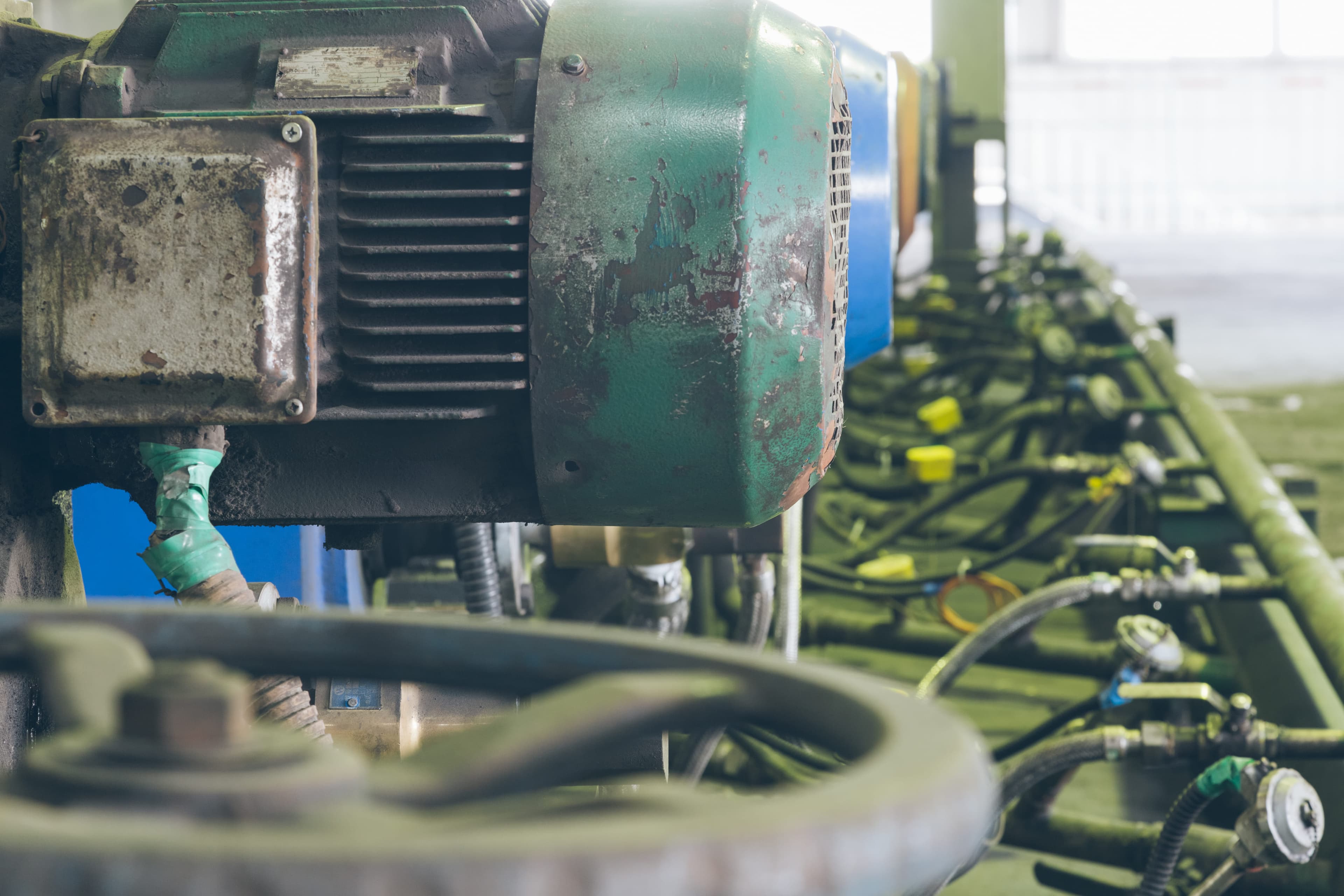
Most water pump failures do not happen suddenly. They are preceded by small signals: an unusual noise, a rise in running current, a small leak at a fitting, or a breaker that keeps tripping. Whoever notices these early replaces a small part; whoever ignores them replaces the whole pump and pays for the downtime. The routine schedule below covers most causes of failure in well pumps, booster pumps, fire pumps and dewatering pumps, and applies to residential, commercial and government projects in Riyadh and across the Kingdom.
Why pumps actually fail
In most cases the fault is not in the pump itself but in its surroundings: unstable power, incorrect installation, or operation away from the design duty point. The most frequent causes:
Dry running when the water level drops without adequate protection.
Excessive start/stop cycling caused by an unbalanced pressure tank or a leaking network.
Weak electrical terminations and heat build-up at connection points inside the control panel.
Neglected filters and strainers, which increase the load on the pump and motor.
Vibration caused by poor alignment or bases that are not properly fixed.
Weekly check: five minutes is enough
Listen to the pump; any new squeal or knock deserves attention.
Carefully feel the motor body temperature; unusual heat is an early indicator.
Check for leaks around fittings and the mechanical seal.
Watch the pressure gauge; a gradual drop means a leak or a blockage.
Make sure the control panel is clean, dry and closed.
Monthly check: start with the electrical side
Measure running current per phase and compare it with the baseline recorded at handover.
Re-tighten cable terminations in the panel and breaker after isolating the supply.
Test the dry-run protection relay and the level sensor or float.
Clean filters and strainers on the suction line.
Log running hours and number of starts in the maintenance record.
Quarterly check: the mechanical side
Check vibration and alignment between motor and pump on surface sets.
Inspect bearings and listen to them while running.
Set the pressure tank air charge according to the approved operating setting for the project.
Inspect non-return valves, a common cause of water hammer.
Inspect bases, fixings and anti-vibration mounts.
Annual check: the full review
Measure motor winding insulation resistance and compare it with the previous record.
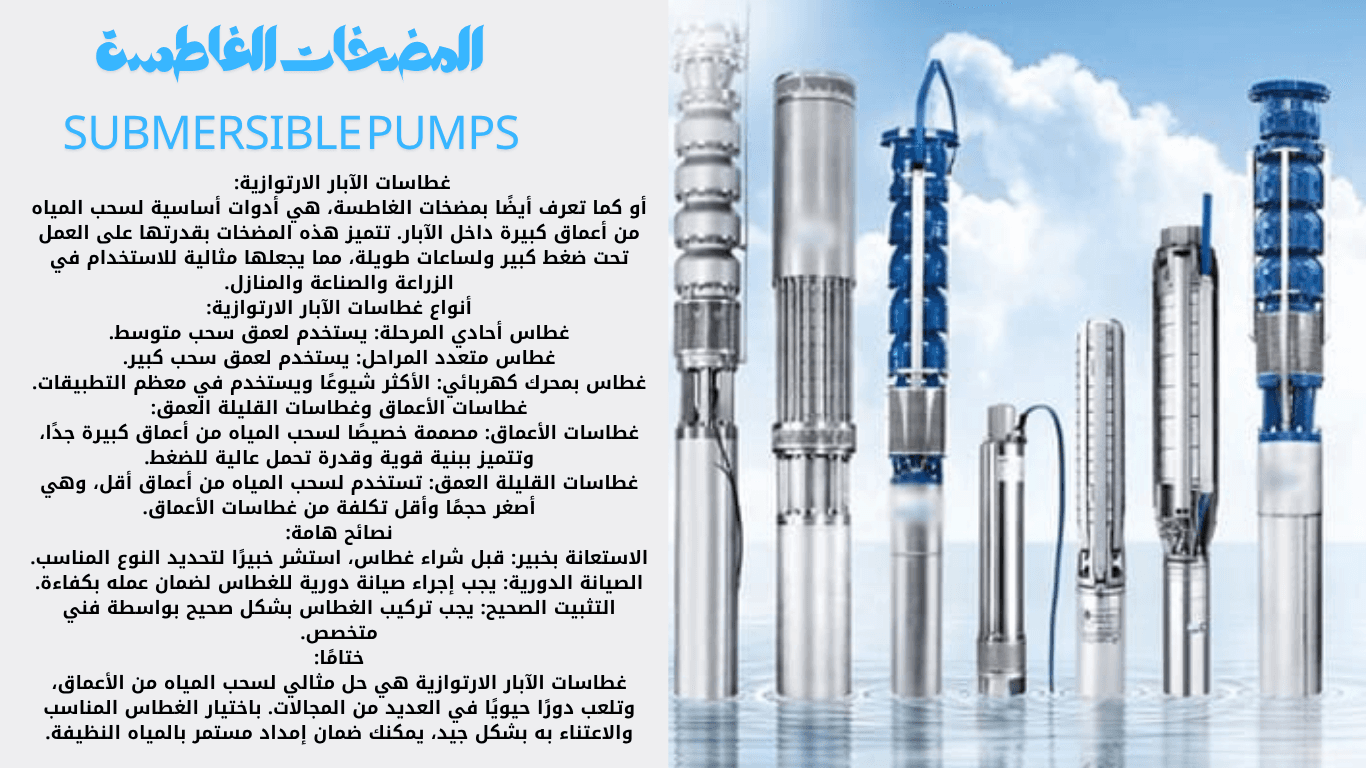
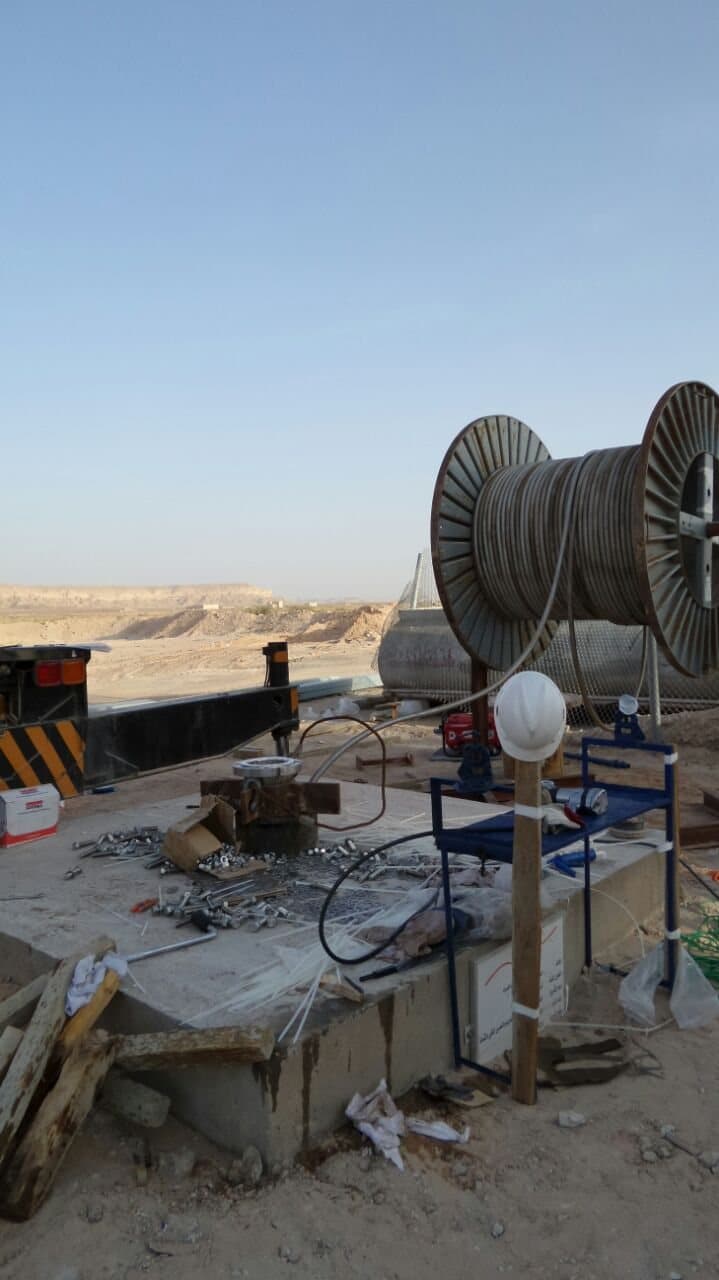
Pull the submersible pump when needed and inspect the cable, stages and body condition.
Test water quality, since sand and salts shorten the life of pump components.
Review whether the actual duty point still matches the pump curve after any change in demand.
Refresh critical spare parts in stock to reduce downtime.
Signs to stop immediately
A burning smell or discoloured cables at the terminals.
Repeated tripping of the breaker or overload relay.
Sudden vibration or a metallic knocking sound.
Reduced discharge while the motor keeps running.
A continuous leak from the mechanical seal.
Continuing to run the pump after these signs turns a simple fault into a full replacement, and usually damages the motor and the control panel together.
Common mistakes that shorten pump life
Selecting an oversized pump on the assumption it is safer, so it runs far from its efficiency point.
Installing without dry-run protection.
Relying on a general breaker without proper thermal protection for the motor.
Neglecting the maintenance log, so the baseline readings used for comparison are lost.
Postponing maintenance to peak season, when downtime costs the most.
How MEIC delivers maintenance
We treat maintenance as a measurable contract rather than an emergency visit: baseline readings recorded at handover, a visit schedule known in advance, and a written report after every visit. Middle East Asas manufactures and assembles pumping and fire-fighting systems in its own workshop, which makes replacement parts and system modifications faster than relying on an outside supplier. The company holds ISO 9001:2015, ISO 14001:2015 and ISO 45001:2018 certifications, and our works include a 12-month warranty with two free maintenance visits, backed by over 20 years of experience and more than 500 completed projects.
Read also
Submersible Pump Installation: Correct Steps and Costly Mistakes
MEP Contractor in Riyadh: Choosing the Right Electromechanical Contractor
Need a maintenance schedule for your pumps or a routine service contract? Contact the Middle East Asas team on WhatsApp 0554097005 and get a quotation within 24 hours.