Dewatering Company for Excavations: When You Need One and How It Is Priced
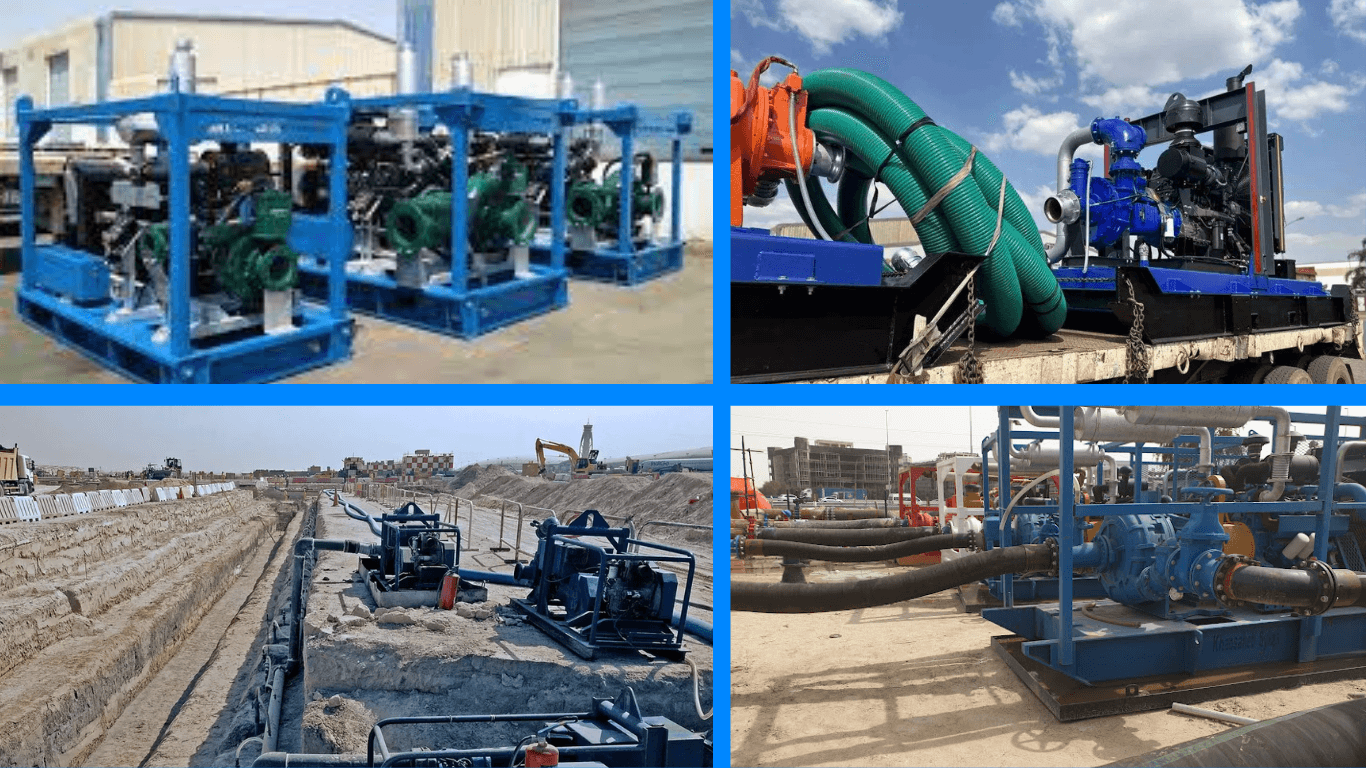
On many sites the groundwater problem does not appear in the drawings. It appears when excavation reaches a certain depth and water starts pooling at the bottom. From that moment work effectively stops until the water is managed. Dewatering is less a rented machine than a service designed for a specific site, which is why its price and method differ from project to project. This guide explains when you need a dewatering company, what systems exist, and how the pricing is built.
What is dewatering and when does it become necessary?
Dewatering means lowering the groundwater level within the excavation area and holding it below working level until the works that need dry ground are complete. The goal is not only to remove visible water, but to control the level steadily and continuously throughout execution, because a fluctuating level is sometimes more dangerous than the water itself.
Signs you need dewatering before digging further
Water collecting at the bottom of the excavation and returning after every pump-out.
Excavation sides becoming saturated and starting to slump locally.
Equipment unable to enter, or concrete unable to be placed, because the base is soft.
Water emerging from the walls at a certain level, not only from the bottom.
A site near a water body or in an area known for a high water table.
Waterproofing or foundation works that require a dry, clean surface.
Common dewatering systems
No single system suits every site; the choice depends on soil type, excavation depth and the drawdown required. Three systems are commonly used:
Open sump pumping: collection points dug at the excavation base with water pumped from them. Suitable for modest drawdown and cohesive soils, unsuitable for fine sands because it draws particles with the water.
Wellpoints: a row of slim tubes driven around the excavation and connected to a header line and vacuum pump. Suitable for sandy soils and moderate drawdown, working as one system around the perimeter.
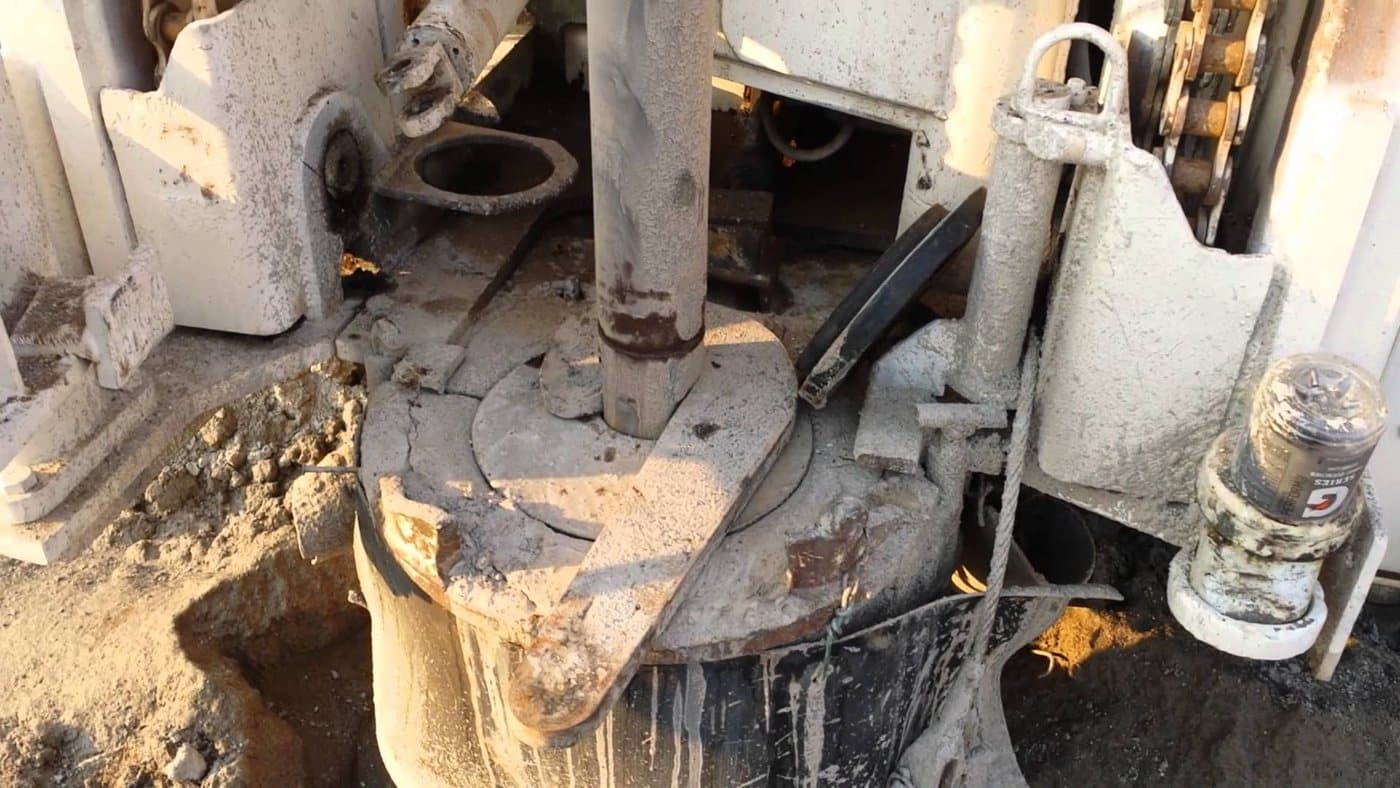
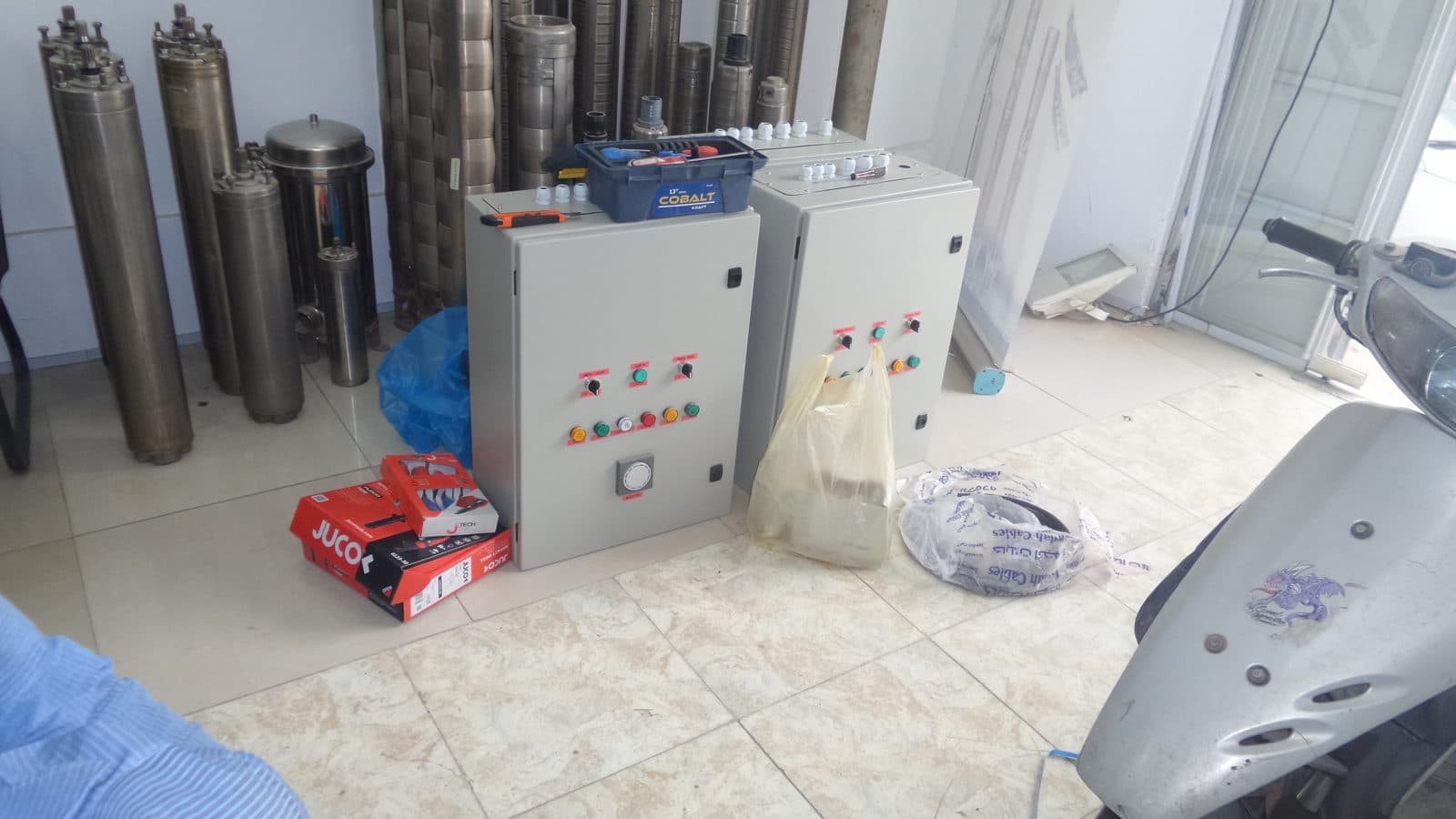
Deep wells: boreholes fitted with submersible pumps around the excavation, used where required drawdown is large or the formation is permeable and productive.
How is the right system chosen?
Proper selection starts with site information: soil type and permeability, static water level, required founding depth, and the area and perimeter of the excavation. From these, the number and spacing of pumping points and the required rate are determined. Any company proposing a system before knowing this is proposing a solution for a site it has not yet seen.
How is dewatering priced?
Dewatering pricing differs from ordinary contracting work, because much of it is tied to time rather than quantity. Pumps usually run continuously until the work is finished, so operating duration sits at the core of the cost. The main pricing factors are:
Total operating duration, usually the largest factor.
The chosen system and the number of pumping points required.
The required drawdown, which determines equipment capacity.
Soil type and permeability; higher permeability means a higher required flow rate.
Round-the-clock operation, with shift and monitoring requirements.
Power source: site electricity, or generators and fuel.
Installation, dismantling and equipment transport to and from site.
How the discharged water is disposed of and the distance to the approved discharge point.
Standby: a backup pump on site to avoid a work stoppage.
Contract models
Equipment rental only: you receive the pumps and accessories and handle installation, operation and monitoring yourself. Best where you have a capable technical team.
Full supply and operation: the company designs, installs, operates and monitors the system to the end of the period. Best for projects sensitive to downtime.
Duration-based contracts: a price for a defined period, daily or monthly, with clear extension terms.
Milestone-based contracts: dewatering continues until a defined stage is complete, such as foundation pouring and waterproofing.
Discharge: the item that gets skipped, then costs
Pulling water out of the excavation is only half the job; the other half is where that water goes. Uncontrolled discharge onto neighbouring land or a public road creates a compliance problem and may send the water straight back to your site. The approved discharge point must be identified in advance, the discharge line length calculated, and the water treated if it carries a high load of suspended solids. This item is often missing from quotes and reappears as an extra cost mid-project.
Risks of skipping dewatering or doing it wrong
Collapse of the excavation sides, endangering workers and equipment.
Settlement of adjacent ground, potentially affecting nearby buildings or services.
Soil particles drawn out with the water when the wrong system is chosen, creating voids underground.
Programme delays and repeated cleaning and preparation works.
Poor concrete quality or failed waterproofing due to moisture.
A complete stoppage when a single pump fails with no standby.
Questions to ask a dewatering company
On what basis did you select this system for my site specifically?
What drawdown is expected, and over what period?
Does the price include installation, dismantling, transport and monitoring?
Who bears the cost of power and fuel?
What is the contingency plan if a pump fails or power is interrupted?
How will the water be discharged, and who obtains the necessary approvals?
How is cost calculated if the duration extends beyond plan?
Practical summary
Dewatering is a small budget item compared with what it protects. A dry excavation means safe work, a programme that keeps moving, and foundations built as designed. Ask the company to explain its design rather than only quote a price, and settle clearly who handles discharge, power and standby, because those three items separate a realistic offer from one that will change mid-project.
Read also
Need technical advice or a quote? Talk to the MEIC team directly on WhatsApp 0554097005 — we review your site details and send an itemised proposal.