Types of Submersible Pumps - Complete Comparison and Perfect Selection
A submersible pump sits in the water it moves, which is why it runs cooler and quieter than a surface pump and why choosing the wrong one is an expensive mistake. This is the comparison that matters when you specify a pump for a well.
The main types
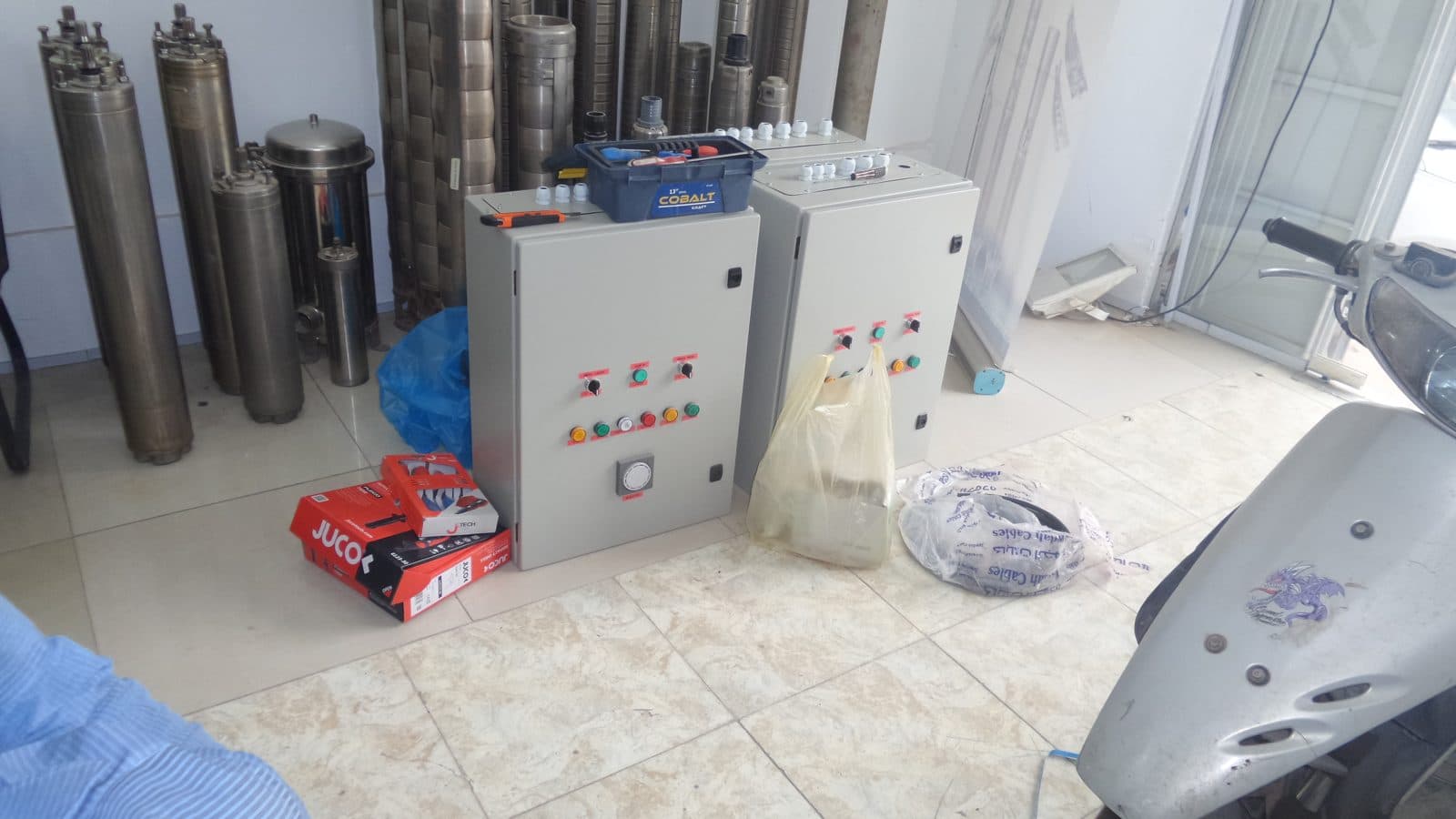
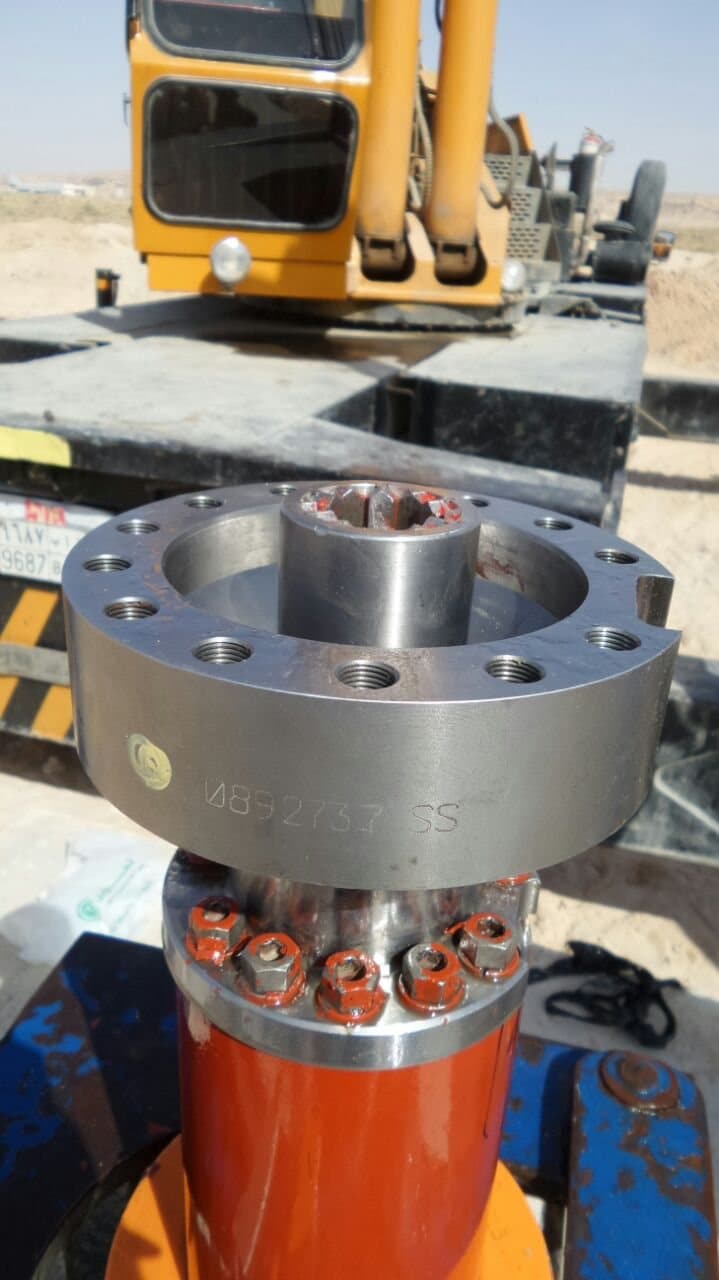
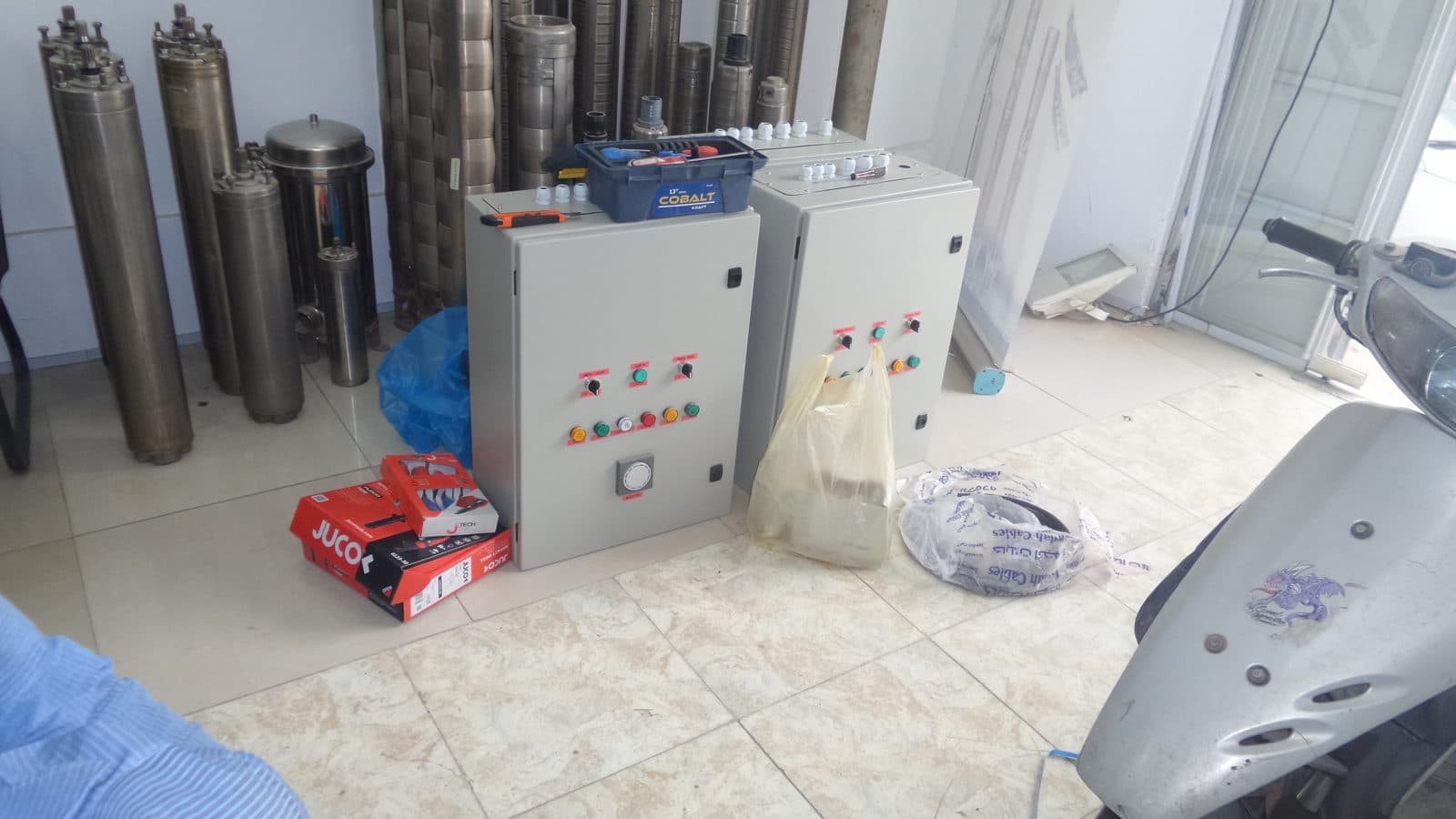
Borehole (well) submersibles: long, narrow multi-stage pumps built to fit inside a well casing. The standard choice for groundwater wells, available from a fraction of a horsepower up to large agricultural units.
Drainage submersibles: built to move clean or lightly soiled water out of pits, basements and excavations. High flow, low head.
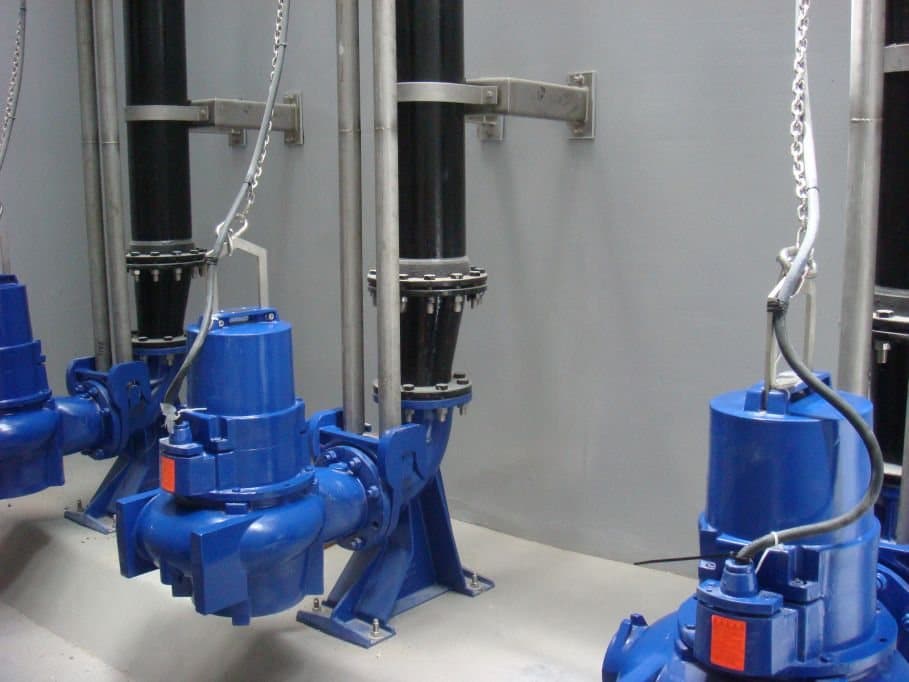
Sewage and slurry submersibles: fitted with a cutter or vortex impeller so solids pass without blocking. Used on lifting stations and treatment works.
Solar submersibles: DC or hybrid pumps driven by a solar array, used on remote farms where mains power is absent or costly.
Booster submersibles: installed in a tank to raise pressure in a distribution network rather than to lift from a well.
How to choose: the four numbers
Specifying a pump comes down to four figures, in this order:
Flow rate: how many cubic metres per hour the project actually needs, not the maximum the pump can produce.
Total head: the vertical lift plus friction losses in the pipe plus any pressure required at the outlet.
Casing diameter: the pump body must fit the well with clearance for cooling flow.
Power supply: single or three phase, and whether the site voltage is stable enough without a protection panel.
Materials and water quality
Water chemistry decides how long a pump lasts. Cast iron is the economical standard for clean groundwater; stainless steel is worth the premium where the water is saline, high in sand, or aggressive. Sand content above a few grams per cubic metre wears impellers quickly whatever the material, which is why well development before commissioning matters.
Common mistakes
Oversizing the pump, which draws the well down faster than it recharges and burns the motor dry
Ignoring friction loss and ending up with far less pressure at the outlet than expected
Installing without a dry-run protection or a suitable control panel
Setting the pump too close to the bottom of the well, where sediment is pulled straight in
In short
Match the pump to the well and the duty, not to the price list. A correctly specified submersible runs for years at a lower electricity cost; an oversized one fails early and takes the well with it.
Read also
Need advice or a quotation? Talk to the Middle East Foundations (MEIC) team directly on WhatsApp 0554097005 — free site assessment and a detailed quotation.