Maintenance and Facility Operation Contracts

A maintenance and facility operation contract defines who cares for a building's systems, which works are included, how often they are carried out, and how their quality is measured. Its purpose is to turn maintenance from a reaction after failure into an organised plan that protects assets, reduces unplanned downtime and makes operating cost predictable.
Types of maintenance contract
Contracts differ by scope and by who carries the cost of spare parts. The most common are:
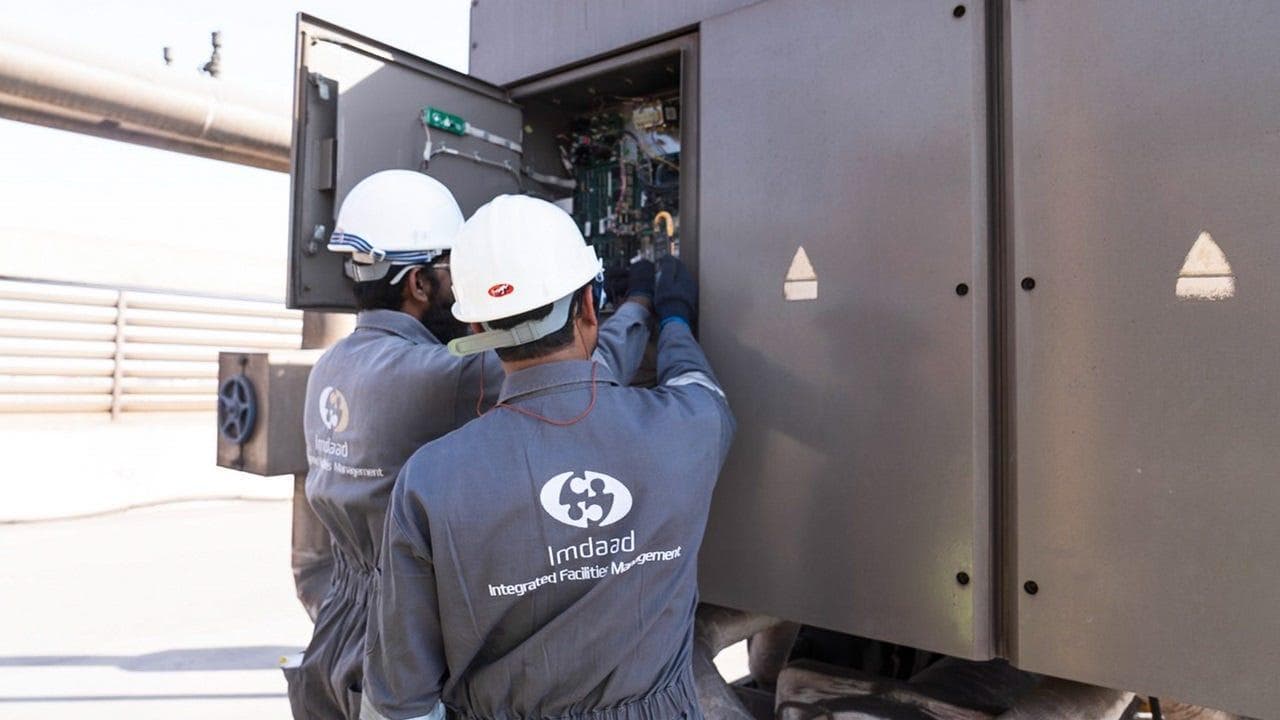
Preventive contract: scheduled visits for inspection, cleaning, calibration and consumables, with repairs priced separately.
Comprehensive contract: covers preventive work, repairs and spare parts within agreed limits; higher cost but a far steadier budget.
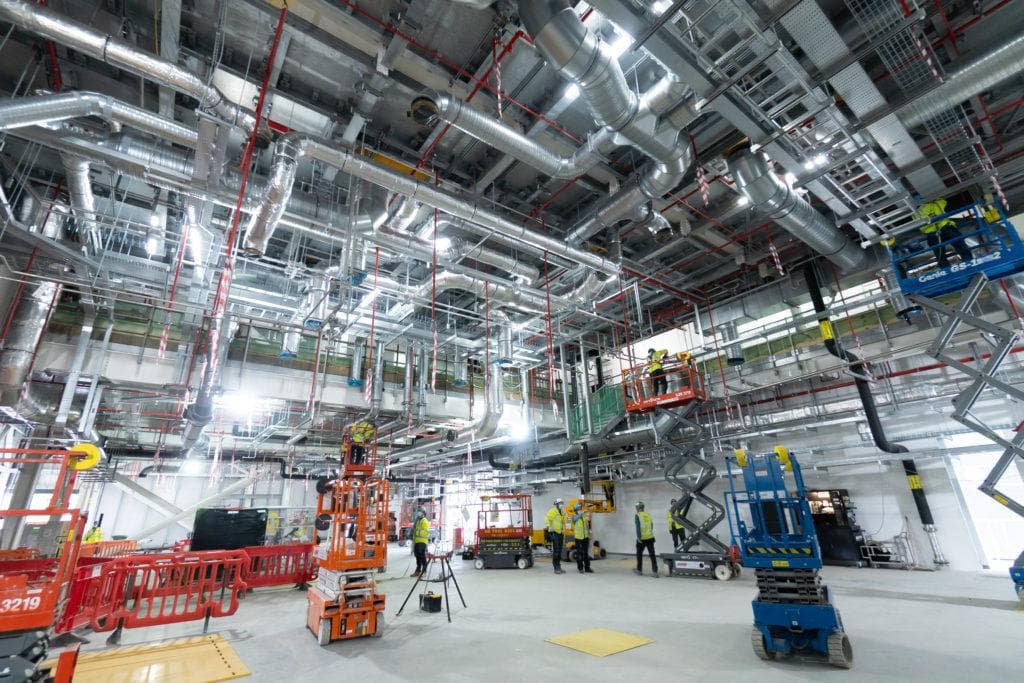
Integrated operation and maintenance: a resident or semi-resident team running the building daily, suited to facilities that cannot afford downtime.
On-demand contract: visits as needed with no recurring commitment — the cheapest option and the riskiest for the assets.

No single type is best in the abstract; the choice follows asset age, how sensitive the activity is to downtime, and the capability of the owner's in-house team. An office building with newer assets may be well served by a preventive contract, while a plant or healthcare facility that cannot stop needs comprehensive cover or integrated operation.
What the contract must state
Most later disputes trace back to clauses missing at the start. Make sure you define:
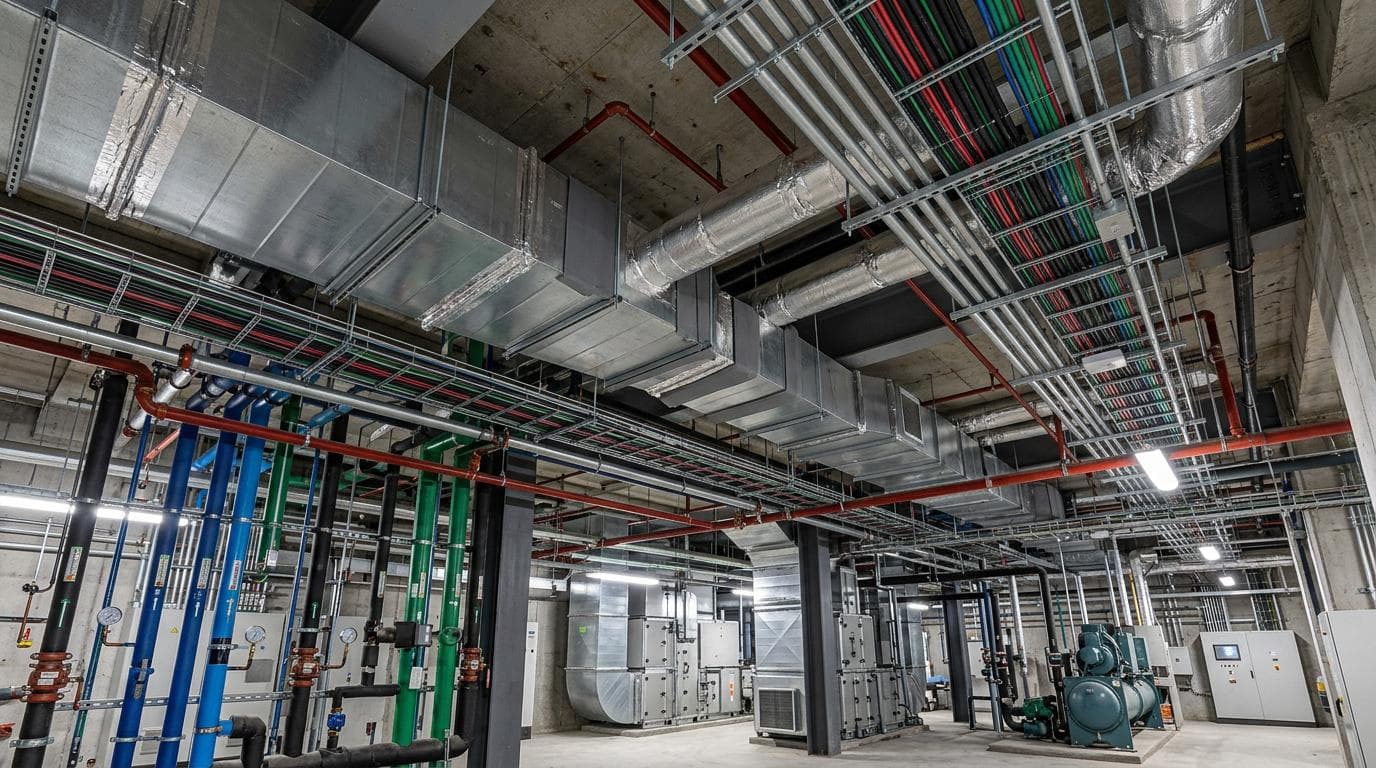
Asset register: the covered equipment with tags and locations — what is not on the list is not in the contract.
Scope of work: what is included and excluded, especially the line between maintenance, replacement and improvement.
Preventive schedule: the frequency and content of each task, tied to the manufacturer's recommendations.
Service levels: ticket priority levels with the agreed response and repair time for each.
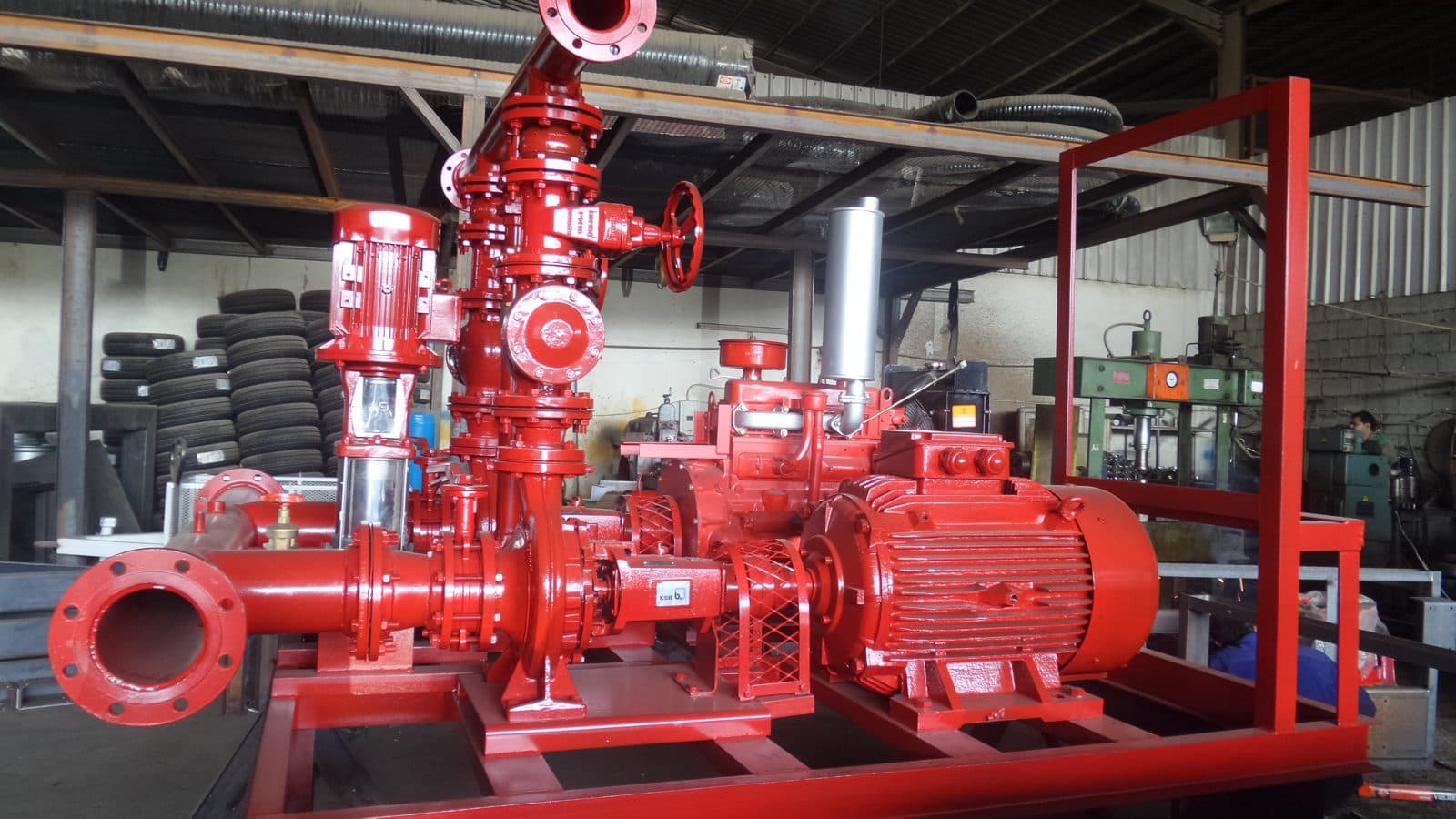
Spare parts: who supplies them, the critical stock to be held, and the standard for genuine or compatible parts.
Safety and permits: work permit and isolation procedures and protective equipment requirements.
Reporting: the periodic report and its contents, and ownership of ticketing data when the contract ends.
Term and termination: renewal, variation and exit mechanics, including handover of assets and records.
How is contract quality measured?
The wording alone is not enough; what decides success is what gets measured monthly:
Response time and repair time per priority level.
Preventive maintenance completed on schedule.
Availability of critical assets such as lifts, generators, pumps and HVAC units.
Recurrence of the same fault — the clearest sign of a fix that never reached the root cause.
Safety compliance and timely closure of observations.
These measures should be tied to a clear escalation clause, because a KPI with no contractual consequence for repeated failure becomes a number for display only.
Common contracting mistakes
Picking the cheapest offer without comparing scope; the price gap is usually a coverage gap.
Omitting the asset register, which leaves the building arguing repeatedly over what is covered.
Not defining ownership of maintenance data, so building records vanish when the provider changes.
Settling for one annual preventive visit on assets that run around the clock.
Naming no single owner on the client side to follow the contract and approve reports.
To avoid these, ask every bidder to price against the same asset register and a detailed preventive schedule, so you compare like with like instead of headline figures that hide what they exclude.
MEIC service
MEIC provides maintenance and facility operation contracts covering electrical, mechanical, plumbing, HVAC and fire systems under one contract and one point of responsibility. We work with over 20 years of experience and more than 500 projects, under ISO 9001, 14001 and 45001 certified management systems, with a 12-month warranty on our work, and we deliver a periodic report against KPIs agreed in advance.
Frequently asked questions
What is the difference between a preventive and a comprehensive contract?
Preventive covers scheduled visits only, with repairs priced separately; comprehensive includes repairs and spare parts within agreed limits. The latter carries a higher fixed cost but far fewer budget surprises.
How often should preventive maintenance be done?
It depends on the asset type, its running hours, the manufacturer's recommendation and site conditions — not on a single figure applied to all equipment. Critical, heavily used assets need a higher frequency.
Do contracts include spare parts?
That depends on the contract type, and it must be stated explicitly: who supplies parts, the limits of coverage, the genuine-or-compatible standard, and the critical stock to be kept available.
What happens if the provider misses the response time?
The contract should include a graduated escalation mechanism and a contractual consequence for repeat misses. In practice a review meeting should come first to establish the cause, which may be a constraint outside the maintenance team's control.
Can a contract be moved to another provider easily?
Yes, if the contract requires handover of the asset register, maintenance history and ticketing data to the owner. Without that clause the new provider starts from zero and the facility loses its operating memory.
Read also
To discuss the right maintenance contract scope for your facility, message us on WhatsApp and our operation and maintenance team will be in touch.