How do electromechanical systems (MEPs) contribute to increasing the efficiency of modern buildings?
In the modern construction world, building quality no longer depends solely on architectural design. Electromechanical (MEP) systems have become a fundamental element determining operational efficiency, sustainability, and user comfort.
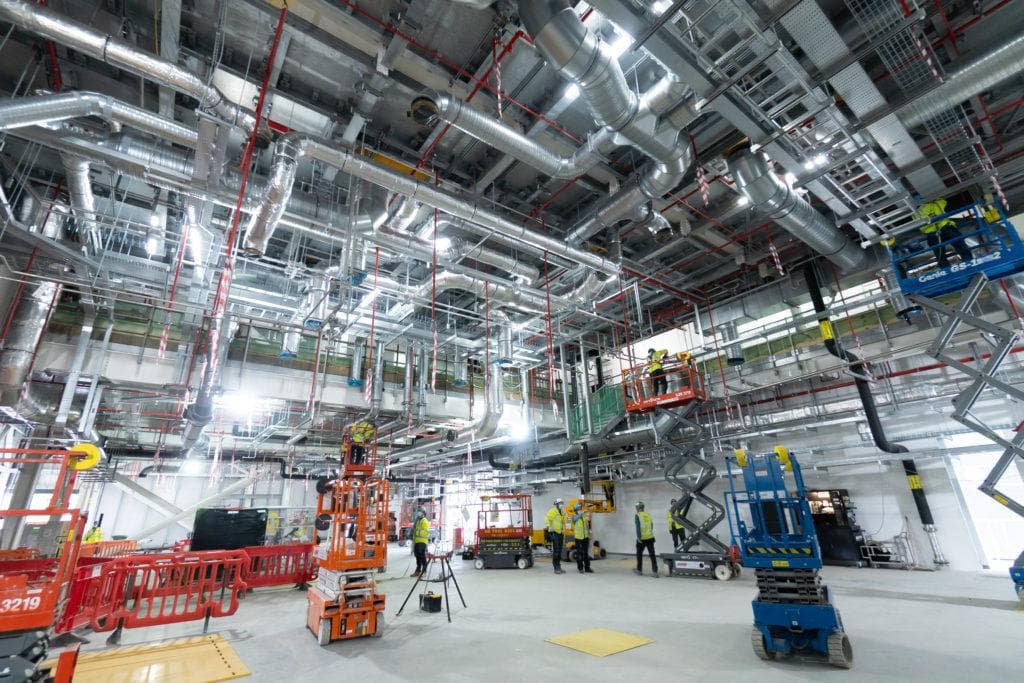
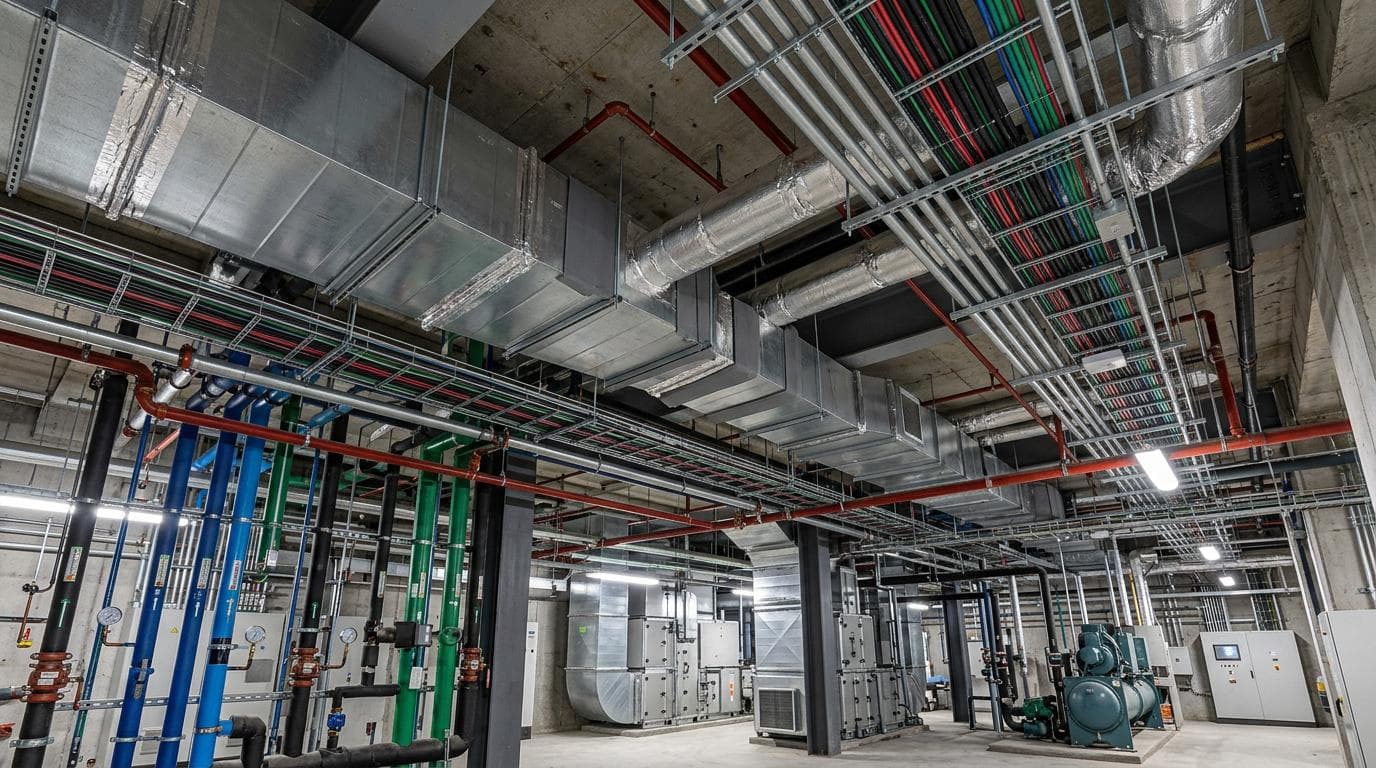
MEP systems comprise three main components: mechanical, electrical, and plumbing systems, which are responsible for the safe and efficient operation of buildings.
What are MEP systems?
MEP refers to the set of systems that enable a building to operate efficiently. These include:
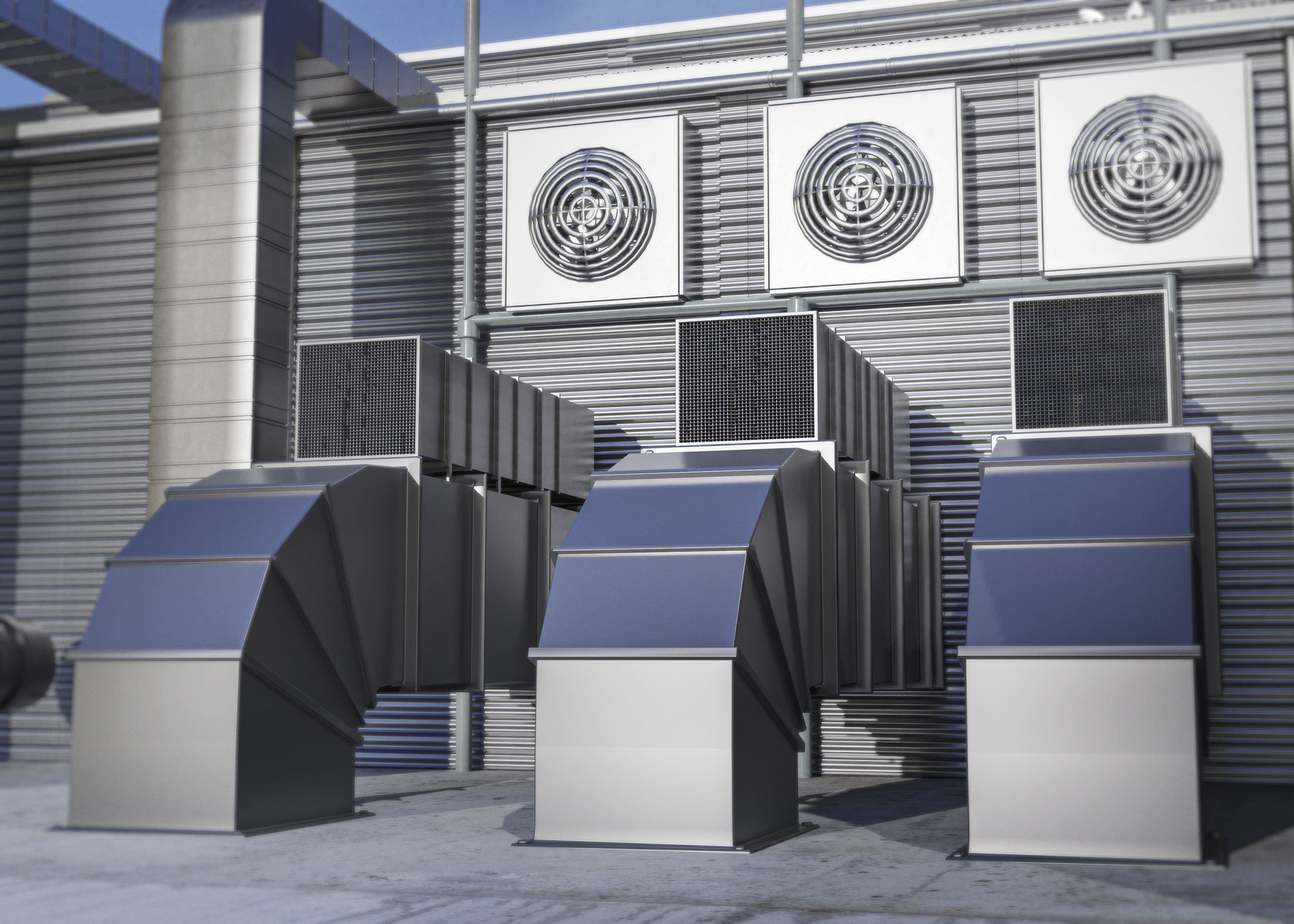
Mechanical (HVAC) systems for air conditioning and ventilation.
Electrical systems for power distribution and lighting.
Plumbing, water, and drainage systems.
Fire protection and safety systems.
These systems work together to ensure operational performance, minimize breakdowns, and optimize resource consumption.
Why are MEP systems important?
1. Improved Energy Efficiency
Properly designed electromechanical systems help reduce electricity and water consumption, which directly translates to lower operating costs.
2. Enhanced Living and Working Environment
Ventilation and air conditioning systems provide a more comfortable and healthy environment for building occupants.
3. Enhancing Sustainability
Energy and water management solutions have become a key component of modern projects to achieve sustainability goals.
4. Reducing Maintenance Costs
Proper planning and implementation minimize downtime and extend the operational lifespan of systems.
How are MEP systems implemented efficiently?
Successful projects depend on:
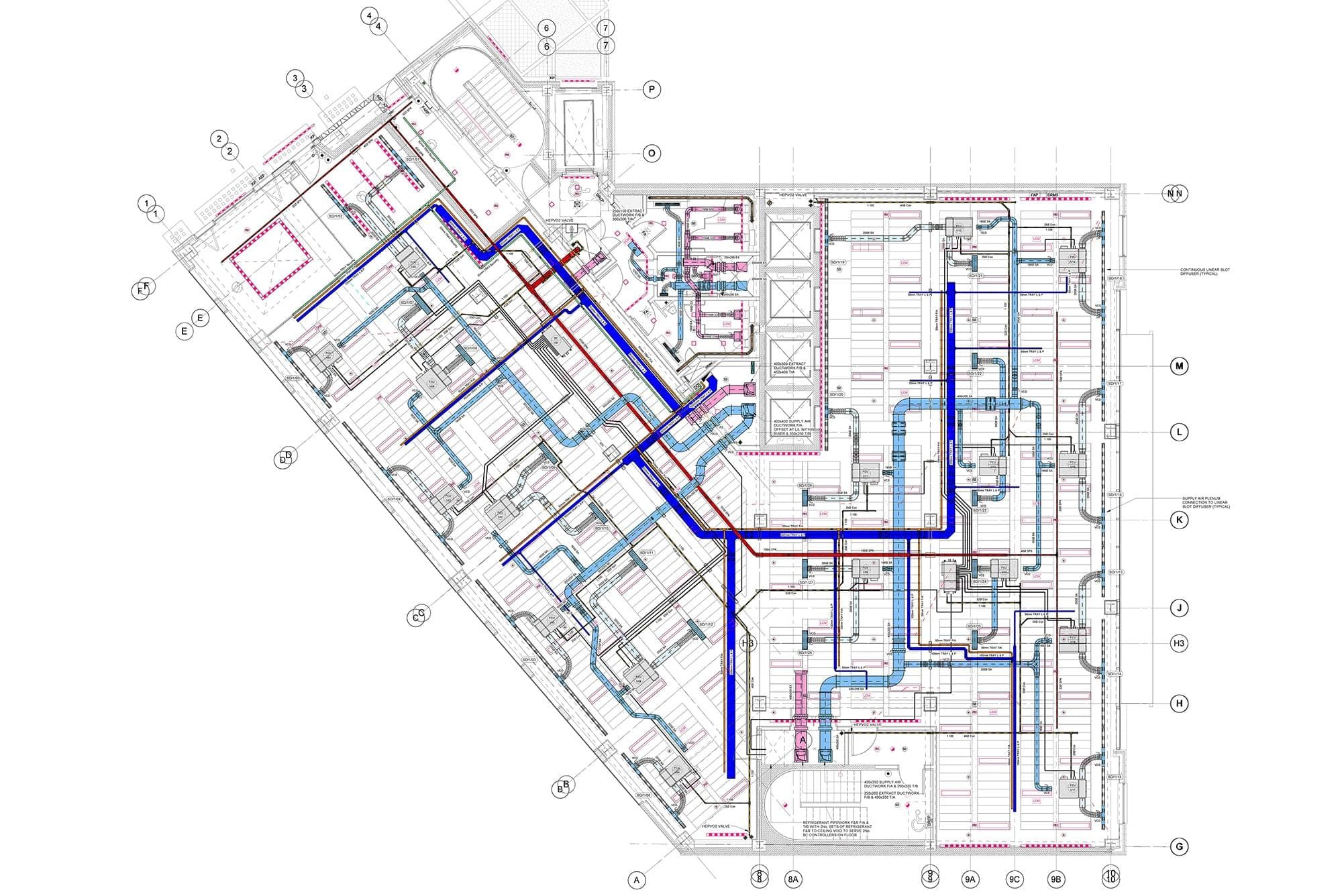
Precise engineering studies and design.
Selecting the right equipment.
Professional implementation according to standards.
Commissioning and handover testing.
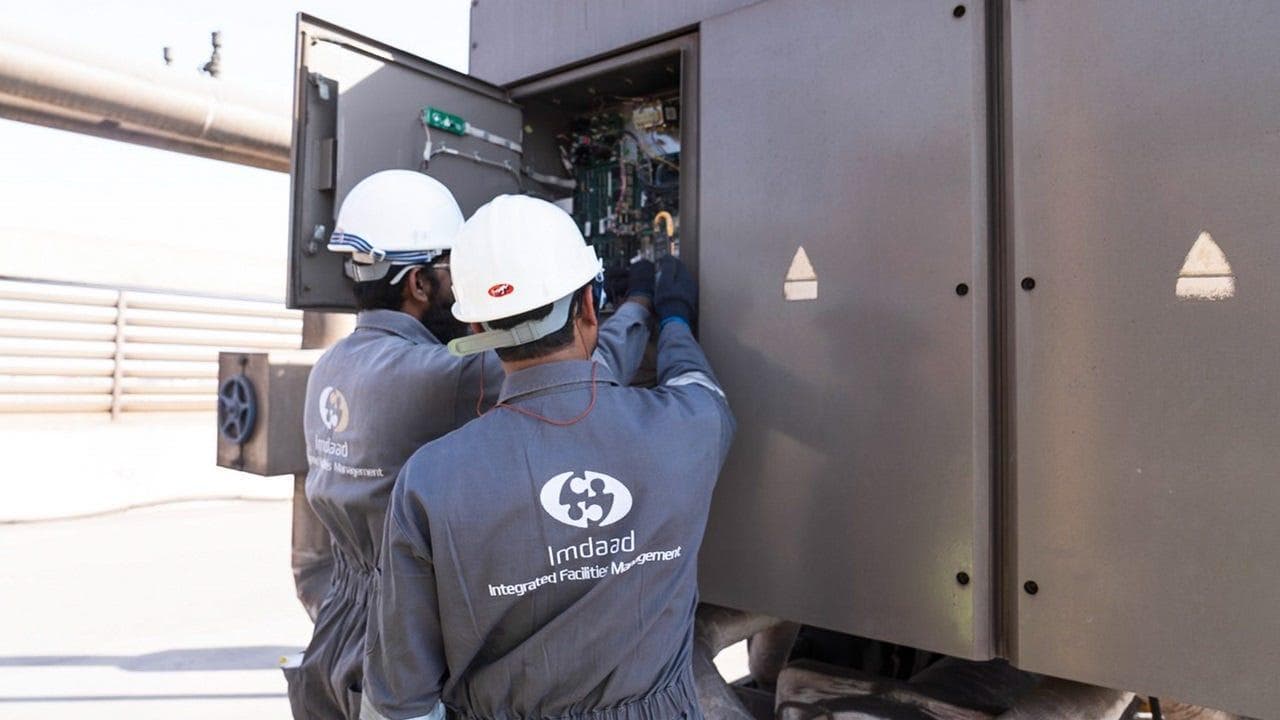
Continuous maintenance and operation plans.
The Future of MEP Systems
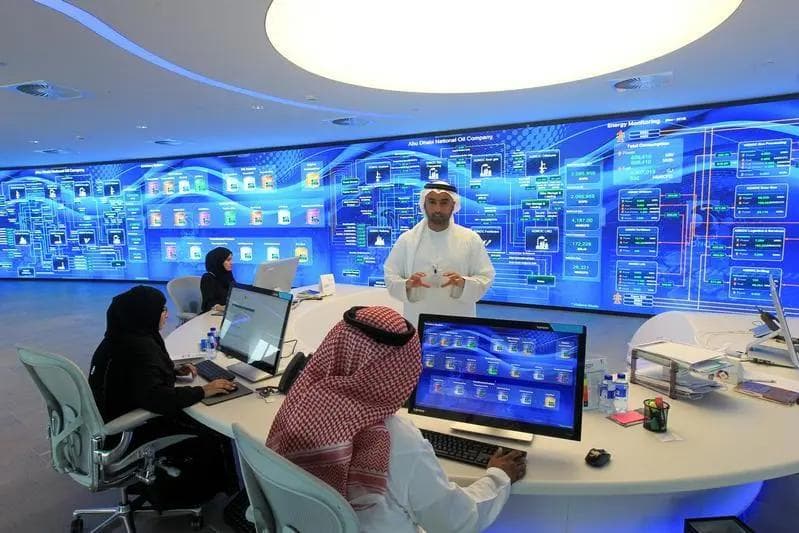
With the development of smart buildings and Internet of Things (IoT) technologies, electromechanical systems are becoming more intelligent and capable of monitoring performance and optimizing energy consumption in real time.
Conclusion
Investing in integrated MEP solutions is no longer an optional extra; it has become a necessity to ensure more efficient, sustainable buildings that are ready for the demands of the future.